Abortion
Abortion is the deliberate termination of a pregnancy before the fetus reaches viability. It is one of the most contested ethical and legal questions, touching on bodily autonomy, fetal moral status, and the limits of state authority.
Arguments for and against
The moral status of the fetus
Until a fetus develops sentience and the capacity for conscious experience — typically well into the second trimester — it lacks the moral standing of a person, making early termination ethically permissible.
Human life begins at fertilization, when a genetically distinct organism with full developmental potential comes into existence; denying that entity moral protection is an arbitrary and dangerous line to draw.
Bodily autonomy of the pregnant person
No person can be legally compelled to use their body to sustain another's life; compelling someone to continue a pregnancy against their will is an unprecedented violation of bodily self-determination.
Once conception occurs, a relationship of dependence is established that carries moral obligations; bodily autonomy arguments, if applied universally, would undermine many other duties we accept as binding.
Its impact on public health and safety
Legal access to abortion reduces maternal mortality by ensuring procedures are performed safely in clinical settings rather than through dangerous illegal methods that disproportionately harm low-income women.
Expanding abortion access normalizes the procedure and may reduce investment in support systems — such as prenatal care and adoption services — that help women who face difficult pregnancies.
The role of government in regulating it
Reproductive decisions are among the most intimate a person makes; government intrusion into that domain sets a precedent for state control over private medical choices that extends well beyond abortion.
Society legitimately regulates many actions that harm third parties; if the fetus is granted any moral consideration, the state has a valid interest in weighing that against the parent's preferences.
What influencers say

"But I feel that the greatest destroyer of peace today is abortion, because it is a war against the child, a direct killing of the innocent child, murder by the mother herself."
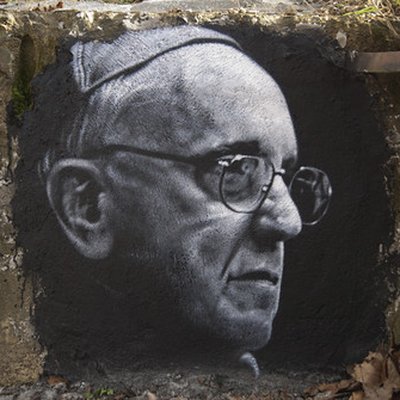
"It is not ‘progressive’ to try to resolve problems by eliminating a human life."

"With regard to the freedom of the individual for choice with regard to abortion, there's one individual who's not being considered at all. That's the one who is being aborted. And I've noticed that everybody that is for abortion has already been born."