Charitable Giving
Charitable giving is the voluntary transfer of resources — money, goods, or time — to organizations or individuals with the intent of benefiting others. It is both an ethical practice and a significant economic force, raising questions about motivation, effectiveness, and its relationship to structural change.
Arguments for and against
Its effectiveness at reducing suffering
Evidence-backed charities in global health can deliver interventions — such as malaria nets and deworming programs — that save lives at extraordinarily low cost, making thoughtful charitable giving among the most impactful actions an individual can take.
Many charitable programs are poorly evaluated, generate dependency, or address symptoms while leaving structural causes intact; the disparity in impact between effective and ineffective charities is enormous and rarely transparent to donors.
Its relationship to government and structural change
Private charity supplements public provision, reaching communities and needs that government programs miss, and often pioneers innovative approaches that are later adopted at scale by public institutions.
Reliance on voluntary charity substitutes private discretion for democratic accountability in the allocation of social resources; it can reduce pressure for the redistributive taxation and public investment that address inequality more durably.
The role of donor motivation and incentives
Tax incentives for charitable giving leverage private generosity to fund public goods at lower net cost to the state; the fact that donors benefit from giving does not diminish the real value delivered to recipients.
Tax deductions for charitable giving disproportionately benefit wealthy donors and effectively allow high-income individuals to direct public subsidy toward causes that reflect their values rather than those determined democratically.
The power dynamics between donors and recipients
When charities are governed by feedback from beneficiaries and subject to rigorous outcome measurement, the power differential between donors and recipients can be substantially reduced through genuine accountability structures.
Charitable relationships inherently center donor preferences over recipient agency; even well-intentioned giving can reinforce paternalistic narratives about who deserves help and under what conditions.
What influencers say
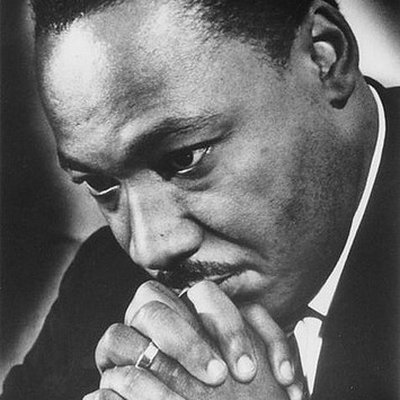
"Every man must decide whether he will walk in the light of creative altruism or in the darkness of destructive selfishness."