Civil Disobedience
The deliberate, nonviolent refusal to comply with laws or government demands as a form of political protest, based on a higher moral or ethical principle. Debate concerns its legitimacy, effectiveness, and the obligations of democratic citizens.
Arguments for and against
Moral legitimacy
When democratic channels have failed and laws are unjust, direct nonviolent resistance is a morally coherent response. The civil rights movement, Gandhi's campaigns, and suffragette direct action all demonstrate that civil disobedience can be the morally necessary response to institutionalized injustice.
In functioning democracies, citizens have legitimate avenues for changing unjust laws through voting, litigation, protest, and legislative advocacy. Breaking laws one personally disagrees with, however sincerely, undermines the rule of law that protects everyone's rights equally.
Effectiveness as a political strategy
Nonviolent direct action that accepts legal consequences — demonstrating the readiness to suffer for a principle — is historically among the most effective political change strategies. It builds sympathy, generates media attention, and exposes the moral asymmetry between protesters and authorities.
Civil disobedience can alienate the moderate supporters whose political engagement is necessary for legislative change, particularly when it disrupts daily life. Movements that rely heavily on disruptive tactics frequently energize opponents more than they win over persuadable audiences.
Democratic obligations
Democratic citizenship includes an obligation to uphold unjust laws only up to the point at which they cross a threshold of fundamental injustice. Political philosophers from Thoreau to Rawls have recognized that this threshold exists and that acting on it is a form of civic seriousness.
Selective law-breaking by those who believe themselves morally correct — of whatever political persuasion — creates a framework where law applies to those who agree with it, not universally. This is a corrosive precedent that privileged groups can exploit more easily than the marginalized.
Nonviolence and its limits
Strict adherence to nonviolence is both an ethical requirement and a strategic asset: it makes civil disobedience defensible, limits the state's justification for repression, and maintains the moral authority that persuades uncommitted observers.
The romanticization of nonviolent civil disobedience can obscure that it has worked largely where opponents shared basic moral commitments. Against genuinely repressive regimes with no such inhibitions, nonviolent protest has sometimes only invited escalating state violence.
What influencers say

"Unjust laws exist: shall we be content to obey them, or shall we endeavor to amend them, and obey them until we have succeeded, or shall we transgress them at once?"
"A very few, as heroes, patriots, martyrs, reformers in the great sense, and men, serve the State with their consciences also, and so necessarily resist it for the most part; and they are commonly treated by it as enemies."
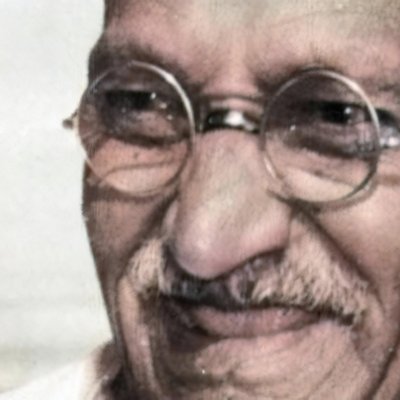
"An unjust law is itself a species of violence. Arrest for its breach is more so. Now the law of nonviolence says that violence should be resisted not by counter-violence but by nonviolence. This I do by breaking the law and by peacefully submitting to arrest and imprisonment."
"You assist an unjust administration most effectively by obeying its orders and decrees. An evil administration never deserves such allegiance. Allegiance to it means partaking of the evil. A good person will resist an evil system with his whole soul. Disobedience of the laws of an evil state is therefore a duty."
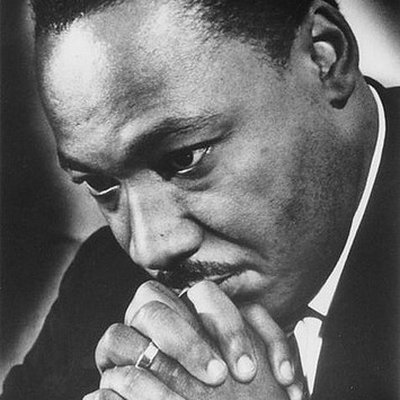
"In no sense do I advocate evading or defying the law, as would the rabid segregationist. That would lead to anarchy . One who breaks an unjust law must do so openly, lovingly, and with a willingness to accept the penalty. I submit that an individual who breaks a law that conscience tells him is unjust, and who willingly accepts the penalty of imprisonment in order to arouse the conscience of the community over its injustice, is in reality expressing the highest respect for law."
"Nonviolence is a powerful and just weapon. Indeed, it is a weapon unique in history, which cuts without wounding and ennobles the man who wields it. I believe in this method because I think it is the only way to reestablish a broken community. It is the method which seeks to implement the just law by appealing to the conscience of the great decent majority who through blindness, fear, pride, and irrationality have allowed their consciences to sleep."
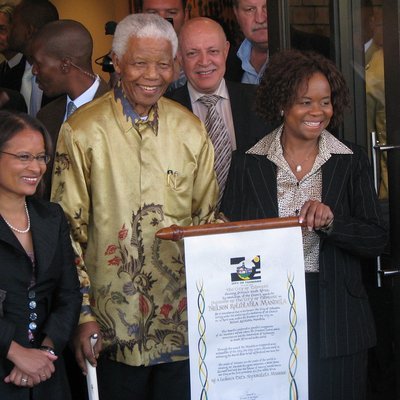
"The names of those who were incarcerated on Robben Island is a roll call of resistance fighters and democrats spanning over three centuries. If indeed this is a Cape of Good Hope, that hope owes much to the spirit of that legion of fighters and others of their calibre."
"When a man is denied the right to live the life he believes in, he has no choice but to become an outlaw ."
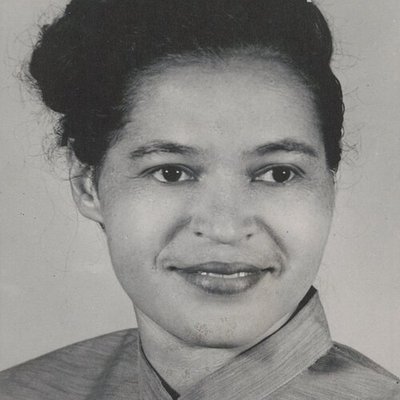
"We didn't have any civil rights. It was just a matter of survival, of existing from one day to the next. I remember going to sleep as a girl hearing the Klan ride at night and hearing a lynching and being afraid the house would burn down."