Fiat Currency
Fiat currency is money that derives its value from government decree and legal tender status rather than from a fixed link to a physical commodity such as gold. All major national currencies today are fiat currencies, governed by central banks.
Arguments for and against
Monetary policy flexibility
Fiat currency allows central banks to adjust money supply in response to economic conditions — expanding during recessions to prevent deflation and contracting during booms to contain inflation — a flexibility unavailable under commodity-backed systems.
Discretionary monetary policy is subject to political pressure and systematic error; the historical record of central banks includes significant inflation episodes and asset bubbles that commodity-backed constraints would have moderated.
Its vulnerability to inflation and debasement
Modern central banking frameworks — inflation targeting, central bank independence, and transparent communication — have achieved sustained price stability in most developed economies, demonstrating that fiat money need not be inflationary.
Governments can and do use fiat currency's flexibility to monetize public debt, eroding the purchasing power of savings and imposing a hidden tax on holders of cash and fixed-income assets disproportionately held by ordinary people.
Its role in financial crises and systemic risk
Fiat systems allow governments to act as lenders of last resort during financial crises — preventing bank runs and liquidity crises from spiraling into economic collapses that gold-standard constraints would have required governments to allow.
The moral hazard created by government backstops encourages excessive risk-taking by financial institutions; the expectation of bailouts in fiat systems contributes to the leverage and fragility that produces large-scale crises.
International trust and reserve currency dynamics
The dominance of fiat currencies in global trade reflects the robust institutional frameworks — legal systems, property rights, and macroeconomic management — that underpin them, providing a more reliable basis for trust than commodity scarcity.
Reserve currency status confers disproportionate seigniorage benefits on issuing nations — particularly the United States — and creates persistent current account imbalances that generate financial instability for the rest of the world.
What influencers say
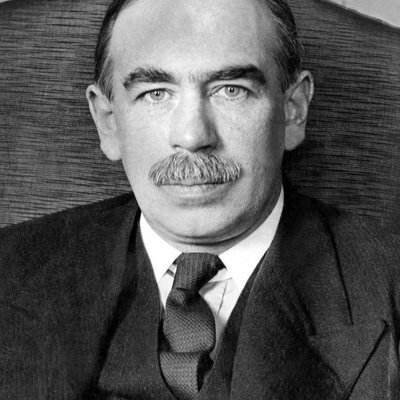
"There is no subtler, no surer means of overturning the existing basis of society than to debauch the currency. The process engages all the hidden forces of economic law on the side of destruction, and does it in a manner which not one man in a million is able to diagnose."