Free Software
Free software, as defined by the Free Software Foundation, is software that grants users the freedom to run, study, modify, and distribute it. It is distinct from freeware and represents a philosophical and practical position on software ownership and community development.
Arguments for and against
Security and transparency of code
Publicly auditable source code allows independent security researchers worldwide to identify and fix vulnerabilities; the open review process that free software enables has produced some of the most secure and widely trusted software infrastructure in existence.
Open source code is equally visible to adversarial actors looking for exploitable vulnerabilities; security through obscurity has genuine value in some contexts, and public disclosure of vulnerabilities can outpace the deployment of patches.
Innovation and collaborative development
The collaborative development model — where developers worldwide contribute improvements — has produced extraordinary software including Linux, Apache, and Git, demonstrating that free software can compete with and often surpass proprietary alternatives.
Without the profit motive, sustainable funding for ambitious free software projects is difficult; many critical infrastructure projects are maintained by a handful of unpaid volunteers, creating reliability and succession risks that proprietary models do not face.
User freedom and digital rights
Free software restores to users the control over their computing environment that proprietary software removes; this freedom is not merely philosophical but practical — it prevents vendor lock-in, forced updates, and surveillance by software makers.
The freedoms emphasized by free software advocates presuppose technical expertise that most users lack; for non-technical users, the ecosystem of support, usability design, and integrated hardware-software optimization that proprietary firms provide is more practically valuable.
Economic sustainability for developers
The free software ecosystem has developed viable economic models — commercial support, dual licensing, foundation funding, and service revenue — that allow skilled developers to build sustainable careers while contributing to freely available software.
Free software licenses that prevent commercialization reduce the incentive to invest in quality, documentation, and long-term maintenance; most commercially successful open-source projects have adopted permissive rather than copyleft licenses precisely to attract corporate investment.
What influencers say
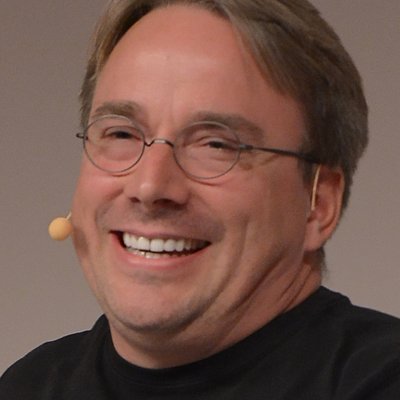
"Me, I just don't care about proprietary software. It's not "evil" or "immoral," it just doesn't matter. I think that Open Source can do better, and I'm willing to put my money where my mouth is by working on Open Source, but it's not a crusade – it's just a superior way of working together and generating code."