Globalization
Globalization is the process by which economies, societies, and cultures become increasingly integrated through trade, investment, migration, and communication technology. It has generated substantial economic growth while producing distributional conflicts and cultural anxieties.
Arguments for and against
Its effect on global poverty and development
The integration of developing economies into global markets — particularly in East Asia — has produced the largest reduction in absolute poverty in human history, demonstrating that trade-led growth can be a powerful development tool.
Growth from globalization has been highly uneven within developing countries; deindustrialization in Africa and Latin America, terms-of-trade deterioration for commodity exporters, and financial volatility have left many developing economies more exposed rather than more resilient.
Its impact on workers in advanced economies
Globalization reduces the prices of goods consumed by households across all income levels; the consumer benefits of cheaper clothing, electronics, and manufactured goods represent a real improvement in living standards, including for lower-income workers.
Manufacturing job displacement in advanced economies — concentrated in specific regions and skill levels — has imposed severe and lasting costs on affected communities, contributing to long-term unemployment, health crises, and political alienation that consumer price benefits do not offset.
Its relationship to national sovereignty and democratic control
International economic integration also builds interdependence that reduces incentives for interstate conflict, and multilateral institutions that coordinate global rules — however imperfect — expand the scope of collective governance beyond what individual states can achieve.
Trade agreements and capital mobility constrain the economic policy choices available to democratic governments, effectively delegating decisions about labor standards, environmental regulation, and taxation to international negotiations dominated by commercial interests.
Its effect on cultural diversity
Globalization enables unprecedented cross-cultural exchange — in music, food, literature, and ideas — enriching local cultures through creative synthesis rather than simply homogenizing them, as the diversity of globalized cities demonstrates.
The commercial infrastructure of globalization — dominated by a small number of media conglomerates, platforms, and consumer brands — systematically privileges English-language and Western cultural products, gradually displacing less commercially powerful cultural traditions.
What influencers say
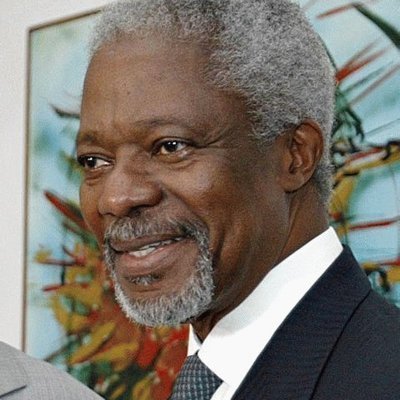
"It has been said that arguing against globalization is like arguing against the law of gravity."

"One might ask why tobacco is legal and marijuana not. A possible answer is suggested by the nature of the crop. Marijuana can be grown almost anywhere, with little difficulty. It might not be easily marketable by major corporations. Tobacco is quite another story."
"The most effective way to restrict democracy is to transfer decision-making from the public arena to unaccountable institutions: kings and princes, priestly castes, military juntas, party dictatorships, or modern corporations."
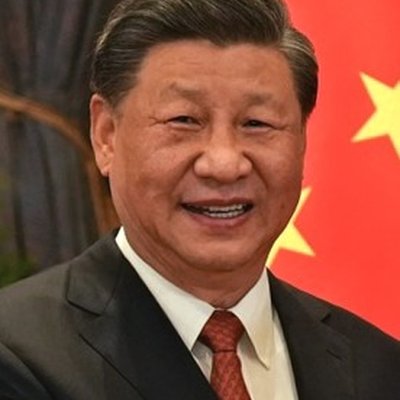
"We should recede from our respective national positions and embark on the right pathway towards economic globalization at the right pace."