Political Correctness
The practice of using language and behavior that avoids marginalizing or offending historically disadvantaged groups. Political correctness is defended as a form of respect and contested as a constraint on free expression and honest discourse.
Arguments for and against
Dignity and inclusion of marginalized groups
Deliberate attention to language acknowledges that words can reinforce subordination, and that requesting respectful terminology costs little while signaling genuine inclusion to people who have experienced real harm from derogatory language.
The determination of acceptable terminology is contested, shifts frequently, and is policed in ways that exclude well-intentioned people who use outdated but not malicious language, creating hostility rather than genuine inclusion.
Free speech and open discourse
Language norms have always existed in civil society; requesting that people not use slurs or stereotypes is a social norm, not censorship, and it leaves ample space for challenging policy ideas without denigrating the people they affect.
Rapid norm shifts and disproportionate professional consequences for speech violations create chilling effects on honest discussion of contested empirical questions — in social science, medicine, and policy — that are genuinely harmful to knowledge.
Effect on political discourse and populist backlash
Demanding respectful discourse does not cause populism; the economic and social conditions that drive resentment do. Conflating legitimate requests for decency with political elitism misattributes the causes of political alienation.
Perception of cultural overreach by educated elites enforcing speech norms on ordinary people has demonstrably contributed to populist backlash, making careful attention to language a politically counterproductive strategy even for those who support its underlying goals.
Institutional power and norm enforcement
Institutional policies against discriminatory language protect employees and students from environments that would otherwise render them less effective or unwelcome, making organizations more productive and equitable.
When speech norms are enforced through institutional power rather than social persuasion, they concentrate the ability to determine acceptable thought in the hands of institutional administrators whose incentives do not align with robust intellectual exchange.
What influencers say
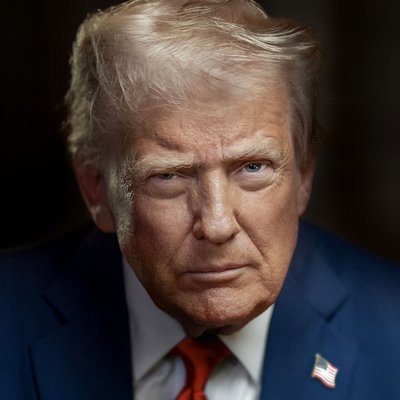
"I think the big problem this country has is being politically correct. I’ve been challenged by so many people and I don’t, frankly, have time for total political correctness. And to be honest with you, this country doesn’t have time, either."

"Because if you want me to "act professional", I can tell you that I'm not interested. I'm sitting in my home office wearing a bathrobe. The same way I'm not going to start wearing ties, I'm *also* not going to buy into the fake politeness, the lying, the office politics and backstabbing, the passive aggressiveness, and the buzzwords. Because THAT is what "acting professionally" results in: people resort to all kinds of really nasty things because they are forced to act out their normal urges in unnatural ways."