Gun Control
Laws and policies regulating the manufacture, sale, transfer, possession, modification, or use of firearms. The debate balances public safety concerns against constitutional rights and practical enforcement challenges.
Arguments for and against
Effect on public safety
Countries and states with stricter gun regulations consistently show lower rates of gun homicide and mass shooting casualties, suggesting that reducing weapon availability meaningfully limits the lethality of violent incidents.
Determined criminals can obtain firearms through illegal channels regardless of legal restrictions, meaning gun laws primarily disarm law-abiding citizens while doing little to reduce violence by those willing to break the law.
Constitutional and rights-based considerations
Even rights-granting documents recognize limits on rights when those limits protect lives. Reasonable regulations on firearms are consistent with a constitutional framework that has always permitted some restrictions on individual freedoms.
The right to bear arms is a foundational individual liberty in many democracies, and incremental restrictions set precedents for government overreach that erode the broader culture of rights-based governance.
Role of firearms in self-defense
Firearms in the hands of trained, responsible owners can deter or stop crimes in progress, and many defensive gun uses each year prevent assaults, robberies, or home invasions without a shot being fired.
A firearm in the home is statistically more likely to be used in an accident, a suicide, or a domestic violence incident than in a successful self-defense scenario, making gun ownership a net risk for most households.
Mental health screening and background checks
Universal background checks and mental health screening close loopholes that allow prohibited buyers to acquire weapons at gun shows or through private sales, preventing firearm access by those most likely to misuse them.
Mental health-based restrictions risk stigmatizing psychiatric conditions and deterring people from seeking treatment, while the accuracy of prediction tools for violence remains too low to justify restricting rights preemptively.
What influencers say
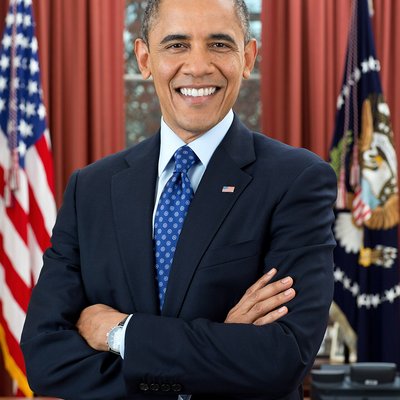
"Some of you may be aware our gun laws in the United States don’t make much sense. Anybody can buy any weapon any time — without much if any regulation, they can buy it over the Internet, they can buy machine gun."
"We know that states with the most gun laws tend to have the fewest gun deaths. So the notion that gun laws don’t work, or just will make it harder for law-abiding citizens and criminals will still get their guns is not borne out by the evidence. We know that other countries, in response to one mass shooting, have been able to craft laws that almost eliminate mass shootings. Friends of ours, allies of ours — Great Britain, Australia, countries like ours. So we know there are ways to prevent it."

"Americans don't go around carrying guns with the idea they're using them to influence other Americans. There's no reason why on the street today a citizen should be carrying loaded weapons ."
"I do not believe in taking away the right of the citizen to own guns for sporting , hunting and so forth, or for home defense. But I do believe that an AK-47 , a machine gun, is not a sporting weapon."
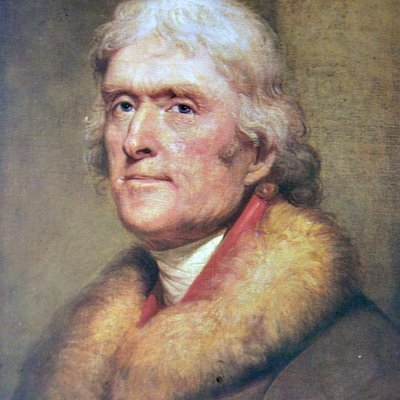
"Ridicule is the only weapon which can be used against unintelligible propositions. Ideas must be distinct before reason can act upon them; and no man ever had a distinct idea of the trinity. It is the mere Abracadabra of the mountebanks calling themselves the priests of Jesus."
"Lay down true principles and adhere to them inflexibly. Do not be frightened into their surrender by the alarms of the timid, or the croakings of wealth against the ascendency of the people."