Immigration
The movement of people from one country to another with the intention of settling permanently. Immigration policy involves trade-offs between humanitarian obligations, economic interests, cultural cohesion, and national security.
Arguments for and against
Economic impact on the receiving country
Immigrants fill critical labor shortages, start businesses at disproportionately high rates, pay into social security systems, and bring skills that complement the native workforce, expanding the overall economic pie.
Large-scale immigration can depress wages and reduce employment opportunities in specific sectors, with costs disproportionately borne by lower-skilled native workers who compete directly with new arrivals.
Cultural integration and social cohesion
Diverse populations bring new perspectives, cuisines, art, and practices that enrich the cultural life of receiving societies and have historically produced creative and intellectual dynamism in open societies.
Rapid demographic change can strain social trust and shared civic identity, particularly when cultural or linguistic differences are large, potentially weakening the solidarity that underpins welfare state institutions.
Humanitarian and ethical obligations
Affluent nations bear a moral responsibility to admit people fleeing violence, persecution, or extreme poverty, especially when their own foreign policies have contributed to destabilizing conditions in sending countries.
Even accepting substantial moral obligations to people in need, states have legitimate interests in controlling their borders and prioritizing the welfare of existing citizens and legal residents.
Brain drain effects on sending countries
Remittances sent home by immigrants often exceed foreign aid flows in value, providing direct income support to families and meaningful investment capital to communities in developing countries.
Emigration of educated professionals creates severe shortages of doctors, engineers, and teachers in sending countries, undermining the human capital development those societies need most for sustainable growth.
What influencers say
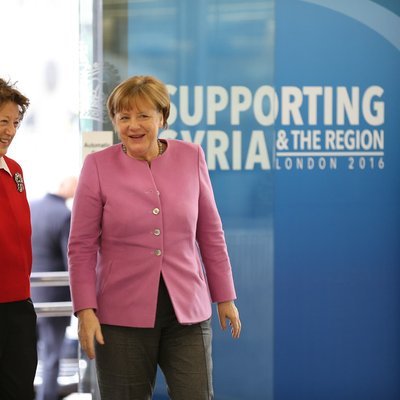
"Germany is doing what is morally and legally required of it. Nothing more, nothing less [referring to the Germany's response to the refugee crisis in 2015]."
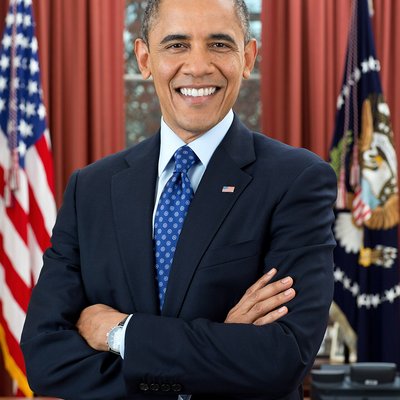
"Are we a nation that kicks out a striving, hopeful immigrant like Astrid, or are we a nation that finds a way to welcome her in? Scripture tells us that we shall not oppress a stranger, for we know the heart of a stranger –- we were strangers once, too."
"Just about every nation in the world, to some extent, admits immigrants. But there’s something unique about America. We don’t simply welcome new immigrants, we don’t simply welcome new arrivals -- we are born of immigrants. That is who we are. Immigration is our origin story. And for more than two centuries, it’s remained at the core of our national character; it’s our oldest tradition. It’s who we are. It’s part of what makes us exceptional."

"(JFK) was Catholic and a child of Irish immigrants, and this had never happened before, president that was not Anglo-Saxon or Scots-Irish and descended from the original settlers. So he had quite a hill to climb to make himself palatable."
"We welcome the views of others. We seek a free flow of information across national boundaries and oceans, across iron curtains and stone walls. We are not afraid to entrust the American people with unpleasant facts, foreign ideas, alien philosophies , and competitive values. For a nation that is afraid to let its people judge the truth and falsehood in an open market is a nation that is afraid of its people."